

Clinical Studies
The following studies and clinical research projects involved the use of CardioSTAT
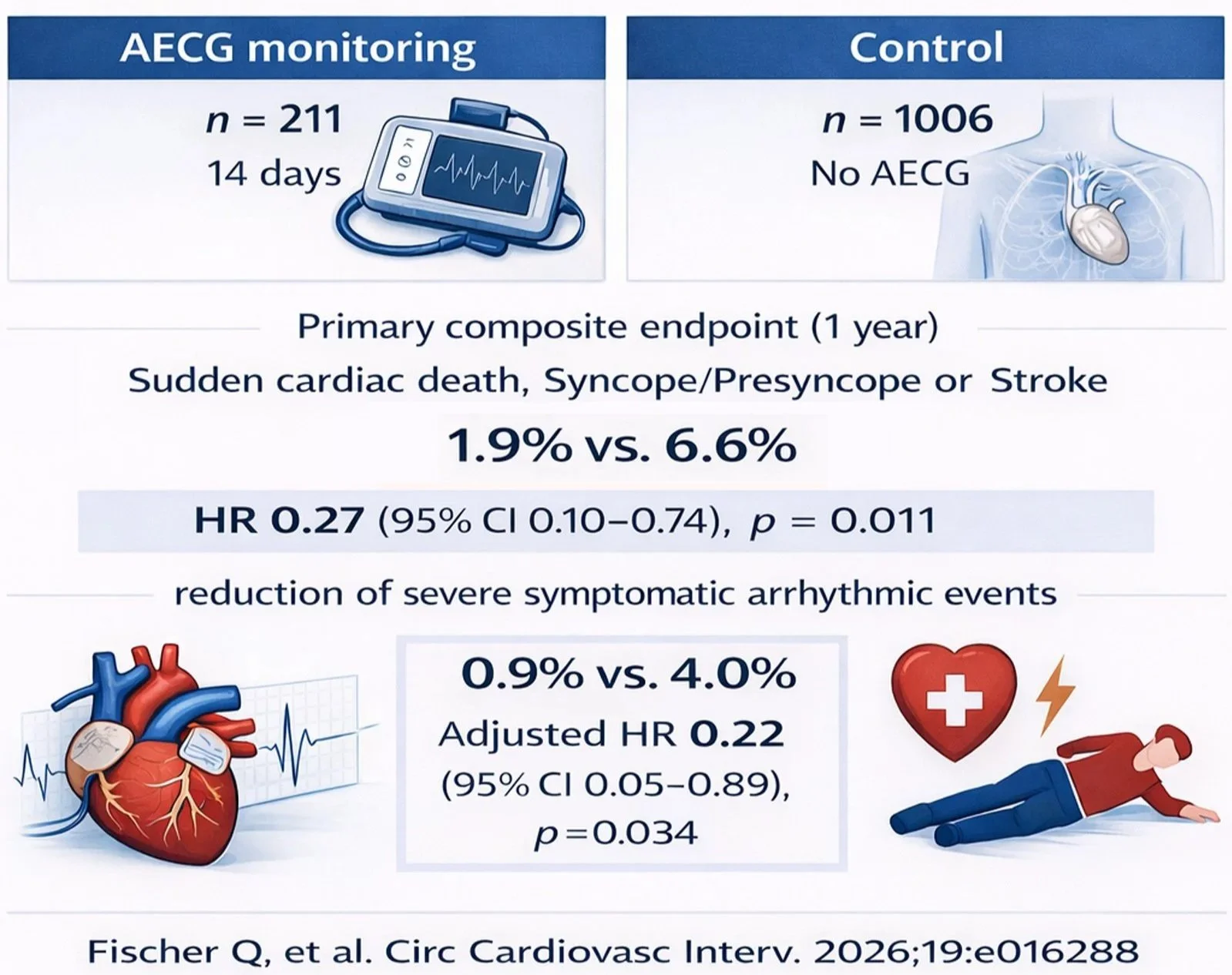
Systematic Ambulatory ECG monitoring for preventing life-threatening cardiovascular events following tavr
2026/04/30
This study demonstrates that systematic 14‑day ambulatory ECG monitoring after TAVR is associated with earlier detection of severe arrhythmias and a lower incidence of life‑threatening cardiovascular events over one year.
Phase resetting in human stem cell derived cardiomyocytes explains complex cardiac arrhythmias
2026/02/04
Because the study shows that complex arrhythmias reflect nonlinear, time‑dependent phase dynamics that unfold over extended periods, long‑duration continuous ECG monitoring such as CardioSTAT can better capture the evolving patterns needed for accurate interpretation.
Dependence of premature ventricular complexes on heart rate - it’s not that simple
2025/05/12
The JAMIA analysis revealing highly variable, non‑linear PVC behavior across multi‑day recordings underscores the need for extended continuous ECG monitoring.

The impact of statins on post-discharge atrial fibrillation after cardiac surgery: Secondary analysis from a randomized trial
2022/12/29
CardioSTAT was used to help determine the impact of statin use on new-onset post-discharge POAF in the Post-Surgical Enhanced Monitoring for Cardiac Arrhythmias and Atrial Fibrillation (SEARCH-AF) CardioLink-1 randomized controlled trial

Ambulatory Electrocardiographic Monitoring Following Minimalist Transcatheter Aortic Valve Replacement
2021/12/14
Patients wore a CardioSTAT recorder for 14 days after TAVR surgery to determine the impact of delayed high-degree atrioventricular block or complete heart block.

Diagnostic Efficacy of a Single-Lead Ambulatory 14-Day ECG Monitor in Symptomatic Children
Disclaimer: The CardioSTAT recorder is not intended for patients under the age of 16.
2021/11/01
Children wore a 14-day CardioSTAT recorder simultaneously with a Holter investigate the efficacy of CardioSTAT in children with paroxysmal palpitations.

Detection of atrial fibrillation in asymptomatic at-risk individuals
2021/04/26
Patients included were asymptomatic individuals, at risk for Atrial Fibrillation and wore a CardioSTAT recorder for 7 days.
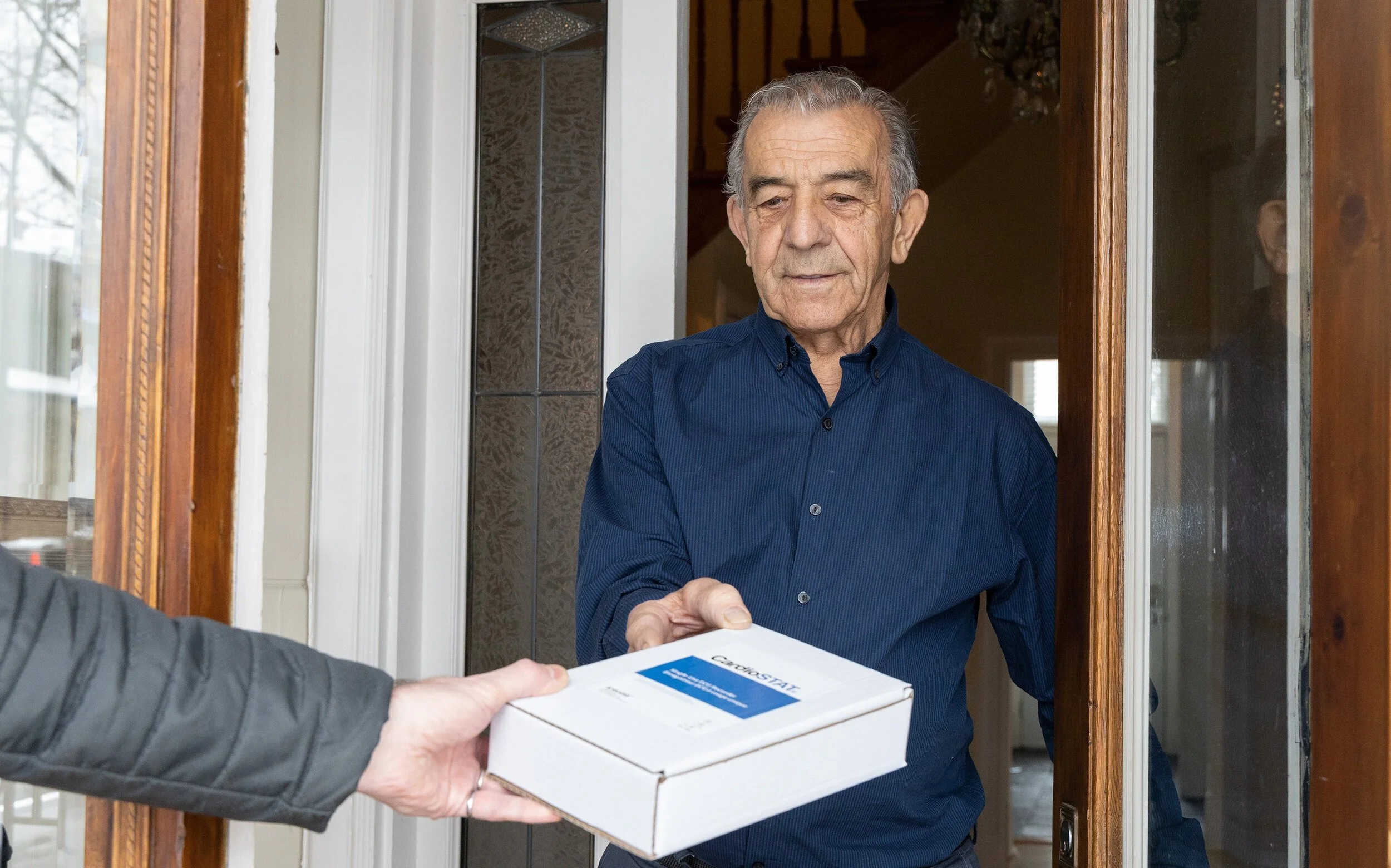
A pandemic response to home delivery for ambulatory ECG monitoring: Development and validation
2020/11/18
Comparing applying method, at home and in clinic, for 14-day CardioSTAT recorders.

SEARCH-AF: Is There a Need For AFib Monitoring Following CV Surgery?
2020/11/16
Post-cardiac surgical patients wore 14-day CardioSTAT recorder to investigate if enhanced cardiac rhythm monitoring results in higher rates of atrial fibrillation/flutter detection.

Prolonged Continuous Electrocardiographic Monitoring Prior to Transcatheter Aortic Valve Replacement: The PARE Study
2020/07/15
Patients underwent a 1 week CEM using CardioSTAT recorders to evalutate the incidence and type of unknown pre-existing arrhythmic events in TAVR candidates.

Changes to the electrocardiogram during exercise in anorexia nervosa
2020/06/12
CardioSTAT recorders were used in patient suffering anorexia nervosa during exercice protocol.

Single‐lead patch recording systems: The expanding role for long-term ECG recording systems
2019/03/07
CardioSTAT recorders wore by patients at home (14-day device) and while doing sport when Holter monitors are not a solution for patients.
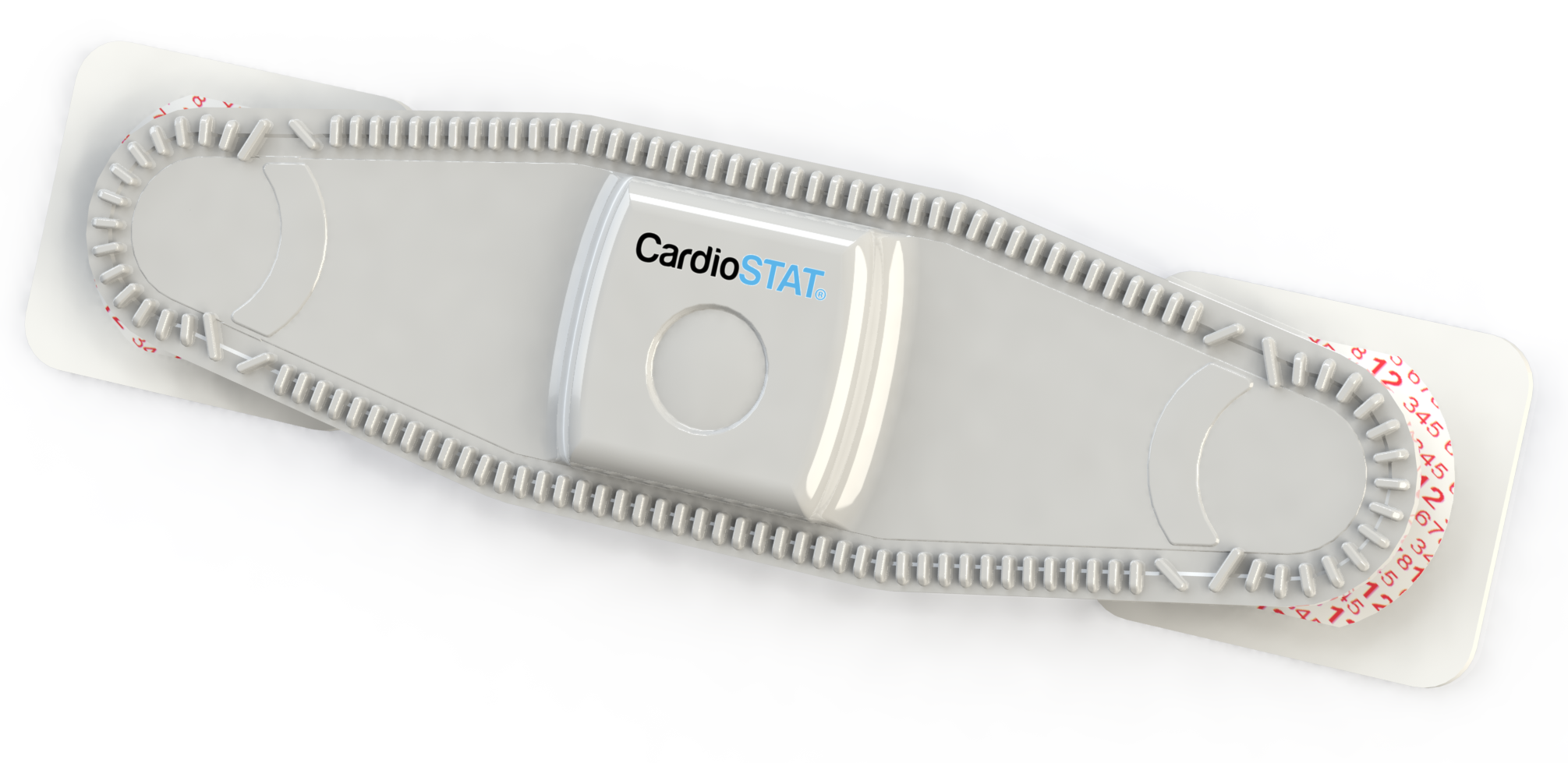
Validation of a novel single lead ambulatory ECG monitor – Cardiostat™ – Compared to a standard ECG Holter monitoring
2018/12/19
24-hour CardioSTAT recorder compared with a 24-hour Holter monitor.

Novel Investigative Tools in Patients with Suspected Inherited Heart Rhythm Disorders
2018/10/20
Patients with inherited heart rhythm disorders underwent clinical investigations with a 7-day CardioSTAT recorder.

Detection and Neurological Impact of CerebroVascular Events In Noncardiac Surgery PatIents: A COhort EvaluatioN (NeuroVISION)
2018/02/15
This study incorporated CardioSTAT to quantify atrial fibrillation before and after non‑cardiac surgery.